

When discussing outspoken critics of religion in the modern era, few voices were as sharp, uncompromising, and intellectually provocative as Christopher Hitchens. His views on Islam—like his critiques of Christianity and Judaism—were rooted not in cultural prejudice, but in a broader philosophical opposition to organized religion itself. To understand Christopher Hitchens on Islam is to understand his larger worldview: a fierce defense of reason, secularism, and individual liberty.

Hitchens’ Core Argument Against Religion
At the heart of Hitchens’ critique was a consistent principle: religion, in all its forms, represents a man-made system that often suppresses critical thinking and personal freedom. In his bestselling book God Is Not Great, he famously argued that “religion poisons everything.”
Islam, for Hitchens, was not singled out as uniquely flawed—but rather examined as part of a broader critique. However, he did dedicate particular attention to Islam due to its geopolitical significance in the post-September 11 attacks world.
Islam and Political Power
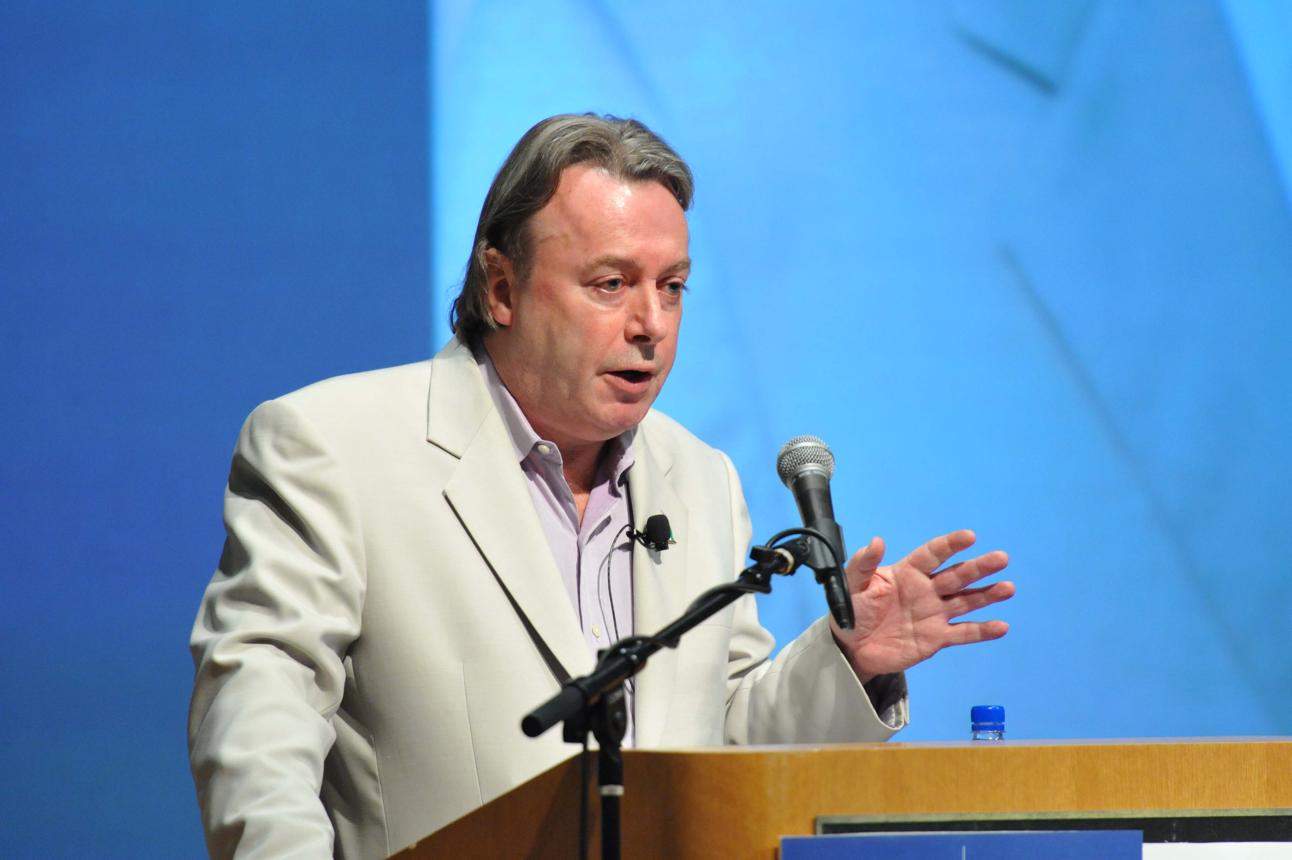
Hitchens often focused on what he saw as the dangerous intersection between religion and political authority. He argued that in some Islamic societies, religious doctrine was deeply embedded in governance, leading to restrictions on free speech, women’s rights, and dissent.
He was particularly critical of the concept of blasphemy laws and the treatment of apostates. In debates and essays, he highlighted cases where individuals faced severe punishment for questioning or leaving Islam—something he saw as fundamentally incompatible with modern democratic values.
Criticism of Extremism vs. Defense of Free Speech
It is important to note that Hitchens made a distinction between criticizing Islam as a belief system and targeting Muslims as people. He consistently defended the rights of individuals, including Muslims, while opposing ideologies he considered oppressive.
His stance became especially visible during debates on radical extremism. Hitchens argued that avoiding criticism of Islam out of fear of being labeled intolerant was, in itself, a failure of intellectual courage. He believed that all religions—including Islam—should be open to scrutiny, satire, and debate.
This position placed him in alignment with other prominent critics of religion such as Richard Dawkins and Sam Harris, though Hitchens’ rhetorical style remained uniquely combative and literary.
Controversy and Public Debate
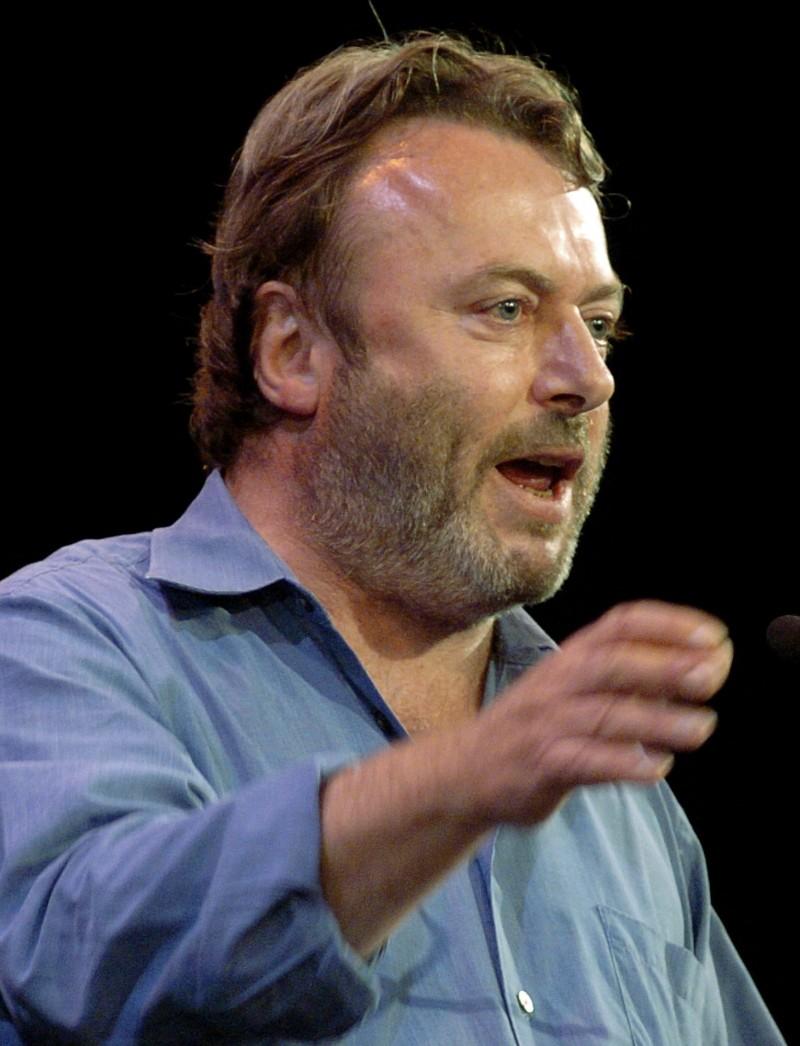
Hitchens’ views on Islam sparked intense debate worldwide. His appearances at forums such as the Oxford Union often drew large audiences and polarized reactions.
Critics accused him of oversimplifying complex cultural and historical issues, while supporters praised his willingness to confront difficult topics without hesitation. His debates—particularly with Muslim intellectuals—became defining moments in discussions about religion, free speech, and secularism in the twenty-first century.
A Broader Legacy
Ultimately, Christopher Hitchens on Islam cannot be separated from his overarching critique of all religious belief. He did not argue that Islam alone was problematic, but that any system claiming divine authority over human life deserved rigorous questioning.
His legacy continues to influence discussions around religion, especially in an age where questions of identity, belief, and freedom remain deeply contested. Whether one agrees with him or not, Hitchens’ work challenges readers to think critically, question authority, and defend the principles of open inquiry.
Conclusion
Christopher Hitchens approached Islam with the same intellectual skepticism he applied to all religions. His arguments were rooted in a commitment to reason, free expression, and human rights. In a world often divided by belief, his voice remains a powerful reminder that no idea—religious or otherwise—should be beyond criticism.
For readers exploring the intersection of religion and modern society, examining Hitchens’ perspective offers both a challenge and an invitation: to engage deeply, think independently, and never accept dogma without question.