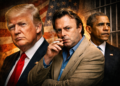


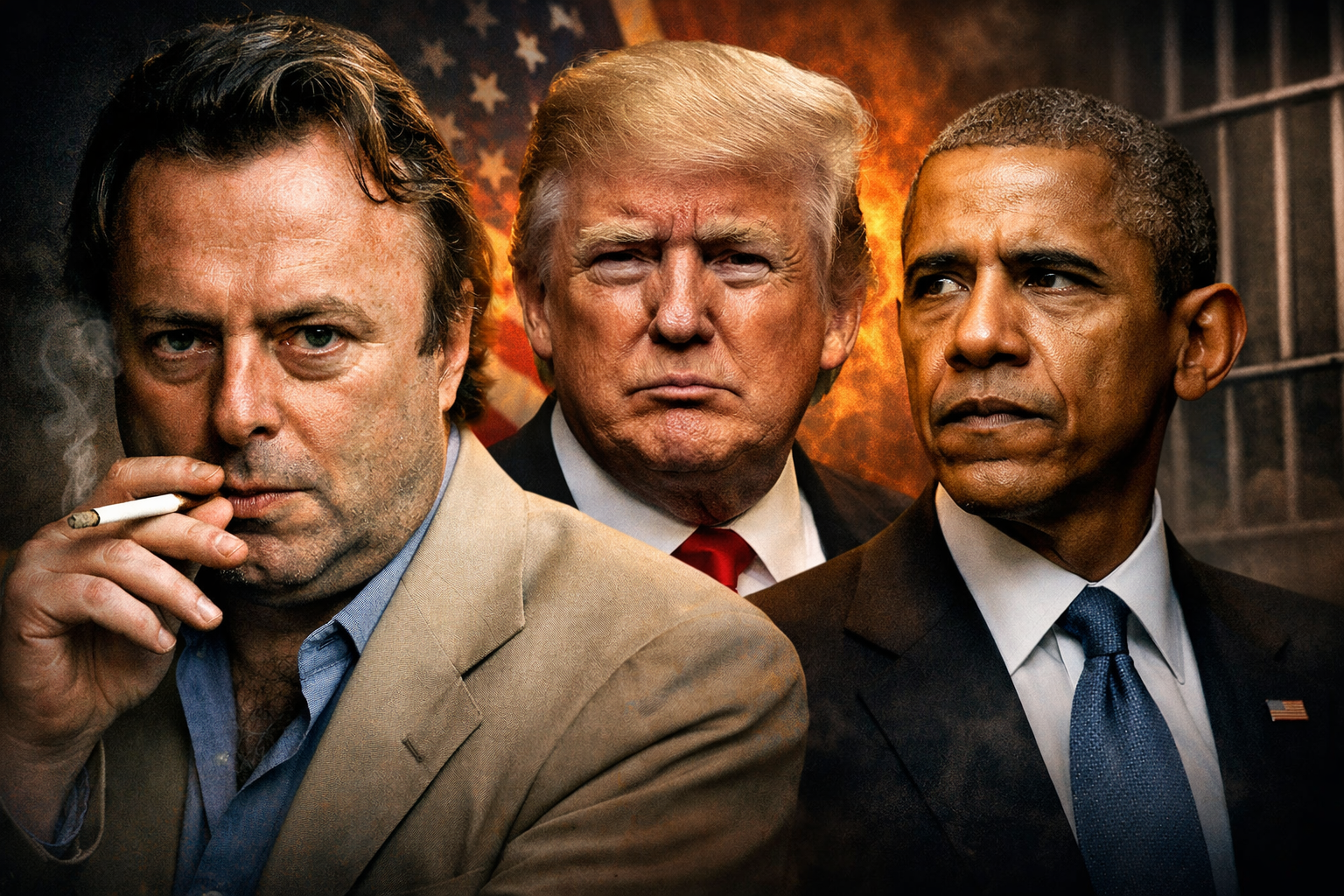

Let us be clear from the outset. If I were ever to awaken in a country where Donald Trump announced the arrest of Barack Obama, I would not ask first whether Obama deserved scrutiny. Of course he does. All presidents do. I would ask something far more alarming: who, exactly, is doing the accusing—and by what moral authority?
I have spent a lifetime arguing against the childish superstition that power sanctifies those who wield it. I opposed kings, clerics, commissars, and presidents with equal enthusiasm. I do not believe in secular sainthood, and I never did. Obama is not immune from criticism. His record—drones, surveillance, executive fiat cloaked in liberal rhetoric—demands forensic examination, not worshipful amnesia.
But do not insult my intelligence by pretending that a man who treats truth as a personal inconvenience has suddenly discovered a passion for the rule of law.
Trump does not represent accountability. He represents the personalization of power. Law, to him, is not a discipline; it is a costume. He wears it when it frightens his enemies and discards it when it restrains his appetites. Courts bore him. Evidence irritates him. Procedure exists only as a nuisance between desire and gratification.
An “arrest” ordered under such auspices would not be justice delayed or justice denied. It would be justice replaced—replaced by spectacle, grievance, and applause. This is not the prosecution of wrongdoing; it is the performance of dominance.
Here is the distinction that seems to have vanished from American discourse: skepticism is not nihilism. To question power is the duty of a citizen. To destroy all standards by which power is judged is the ambition of a thug. Trumpism is not a revolt against elite impunity; it is an attempt to monopolize it.
And let us not pretend the crowd is innocent. The true obscenity would not be the image of a former president humiliated for the cameras. It would be the roar of approval from millions who demand punishment without proof and vengeance without due process. This is not politics. It is blood sport. The republic becomes a wrestling ring, and the loudest chant is mistaken for moral judgment.
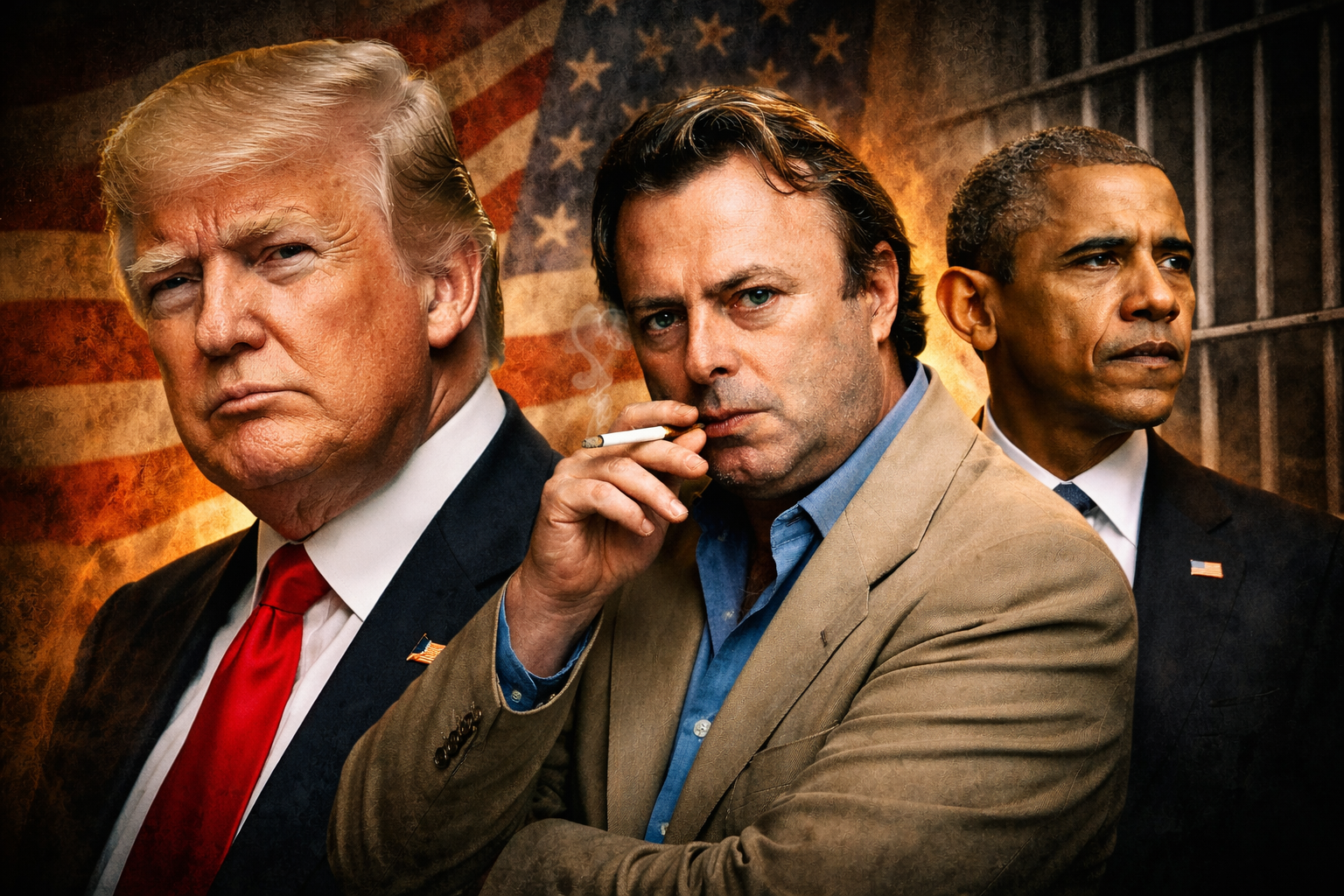
I have warned before that democracies rarely die in a single dramatic moment. They erode. They decay. Standards are lowered, norms mocked, language debased, until citizens no longer ask whether something is right, only whether it feels satisfying. Trump thrives in precisely this moral exhaustion. He does not persuade; he exhausts. He does not argue; he overwhelms.
The irony, which I find almost too neat, is that such an act would fatally weaken the very institutions Trump’s admirers claim to defend. Serious legal systems rely on boring things: documents, hearings, cross-examination, appeals. Tyranny, by contrast, prefers drama. It requires enemies. It needs a permanent performance.
If Trump were ever to arrest Obama, the act would tell us nothing about Obama’s guilt and everything about America’s fear. A confident society does not need spectacles of revenge. A frightened one does.
So let us dispense with the fantasy that this would be a triumph of justice. It would be a confession of failure—a declaration that persuasion has been abandoned, that evidence is optional, and that power now answers only to itself.
The question is not whether former leaders should be accountable. They must be. The question is who accuses, by what standard, and under which restraints. Remove those restraints, and you are not enforcing law. You are rehearsing despotism.
And that, I submit, would be the real crime.